

Ductless mini-splits are a flexible and efficient alternative to conventional HVAC equipment. With inverter-driven technology and other modern capabilities, ductless mini-split systems offer premium comfort with high energy efficiency ratings.
In Cherry Hills Village, Colorado, ductless mini-splits heat and cool homes without relying on ductwork, and they easily adapt to older homes, additions, or remodeled spaces without ducts. Learn more about how ductless mini-splits are well-suited to Colorado’s climate and how Horizon Services provides expert guidance and mini-split installation services to support your upgrade to a modern, energy-efficient HVAC in Cherry Hills Village.
What Is a Ductless Mini-Split System?
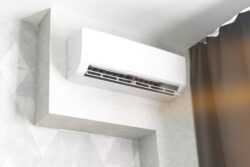
A ductless mini-split system is composed of an outdoor unit connected to one or more indoor air handlers. The outdoor unit houses the compressor and condenser, while the indoor units mount on walls, ceilings, or floors inside the home and each control a designated zone.
The system circulates refrigerant between the outdoor and indoor components to transfer heat, extracting heat from outside and bringing it indoors during the winter or the opposite during summer. Instead of pushing conditioned air through ducts, the indoor units deliver air directly to their zones, eliminating the need for ductwork and allowing each zone to operate independently.
Why Ductless Mini-Splits Are Ideal for Cherry Hills Village Homes
Many homes in Cherry Hills Village include additions, renovated basements, and detached spaces that don’t always pair well with central AC systems. Installing or modifying ductwork often requires significant work that increases complexity and costs. Since a mini-split AC doesn’t require ducts, it avoids this issue and is suitable for older homes and newer custom builds.
Large homes with multiple floors benefit from zoned control, which allows each area to maintain different temperatures. This setup works well for households with varying comfort preferences or rooms used less frequently.
Benefits of Installing a Ductless Mini-Split
Ductless mini-split systems offer practical advantages for older and modern homes. Consider these ductless system benefits for Colorado homes:
- Energy efficiency: Mini-splits avoid energy waste associated with duct leaks, and they use inverter technology to adjust output based on demand. They often outperform the seasonal energy efficiency ratio 2 (SEER2) ratings of high-end central ACs.
- Zoned temperature control: Each indoor unit operates independently, allowing different settings in each room.
- Quiet operation: Air handlers operate quietly at just 25 to 35 decibels, compared to the 50 to 75 decibels of a central AC system. Whisper-quiet operation improves comfort in living spaces and bedrooms.
- Easy installation: Installation only requires mounting the indoor and outdoor units and connecting them via refrigerant and electrical lines.
- Heating and cooling in one system: Heat pump technology allows the system to switch between heating and cooling modes for year-round comfort.
Mini-Split vs. Central HVAC: Which Is Right for You?
Choosing between a mini-split or a central HVAC system depends on your home’s layout, existing equipment, and how you use each space. Central HVAC suits homes with ductwork in good condition, while mini-splits are often better for homes that need targeted comfort in additions, remodeled spaces, or other areas without ducts. Consider these factors to decide which system makes more sense for your home:
- Installation requirements: Central systems require ductwork, while mini-splits need only small openings for line connections.
- Efficiency: Central systems lose up to 30% of conditioned air through duct leaks, while mini-splits deliver air directly to the room and avoid these energy losses.
- Zoning: Mini-splits systems have built-in zoning that allow independent control in each room. Central systems rely on a single thermostat unless upgraded with zoning features.
- Upfront cost: Mini-split installation carries a higher upfront cost per unit, but the total price is often less than installing new ductwork in an existing home. Central AC may cost less upfront than a mini-split if the current ductwork is in good condition.
- Coverage: Central HVAC provides even heating and cooling across large homes. Ductless air conditioning and heating systems may require several units to cover every space.
Installation Considerations for Ductless Heating and Cooling Systems
Mini-split installation starts with an evaluation of the home and its heating and cooling loads. Horizon Services HVAC technicians consider room size, ceiling height, floors, insulation levels, and other factors to determine overall heating and cooling needs and the number of zones. Larger homes may require multiple air handler units connected to one outdoor system to provide even temperatures and energy-efficient performance.
We also assess the ideal locations to mount equipment. Indoor units need clear wall or ceiling space, while the outdoor unit requires a stable base and enough clearance for airflow and service access. Some homes may require electrical upgrades, since systems require dedicated 220-volt circuits.
Do Ductless Mini-Splits Work Well in Colorado’s Climate?
Modern ductless systems use heat pump technology, so they can cool and heat by switching the reversing valve. Colorado winters often dip into freezing temperatures, while summers also bring hot weather, so HVAC equipment must be able to accommodate a wide range of conditions.
Mini-splits maintain energy efficiency throughout these seasonal demands. Standard models may suffer minor losses at around freezing temperatures, but ENERGY STAR-certified cold-climate models maintain efficiency in significantly colder weather.
Colorado is also prone to Chinook winds in the winter, which can cause temperatures to fluctuate by up to 20°F in one day. Mini-splits with inverter-driven technology can adjust output between these shifting temperatures to optimize energy use.
Mini-Split Maintenance and Long-Term Care
Routine mini-split maintenance keeps your ductless system operating efficiently and extends its operating life. Follow these mini-split maintenance strategies to get the best value from your system:
- Replace air filters: Replacing dirty filters prevents restricted airflow and reduces system strain.
- Inspect and dust indoor units: Clean dust and dirt from the indoor unit periodically.
- Clean the outdoor unit: Clear away leaves, dirt, and other debris around the outdoor unit to allow for proper airflow and prevent overheating.
- Schedule professional service: Annual inspections identify and address wear to prevent breakdowns and avoid mini-split repair costs. Technicians clean coils, check electrical connections, inspect refrigerant levels, and test system performance.

Schedule Your Ductless Mini-Split Consultation Today
Schedule a ductless mini-split consultation with Horizon Services to evaluate your home and choose the right setup for your needs. Our HVAC service technicians assess your home’s layout, usage patterns, and other factors to recommend a system tailored to your space. Contact us today to schedule services and learn how a ductless mini-split can enhance your household’s comfort.