
Plumbing Problems in Denver Homes
A burst pipe on a January night or a drain that backs up right before the holidays — plumbing issues have a way of showing up at the worst possible times. Denver homeowners are up against a tough combination of hard water, temperature swings, and, in older neighborhoods, aging pipes. That mix makes common plumbing problems in Denver more likely — and sometimes more expensive. But understanding the issues can help you stay ahead of those problems, saving you money and stress.
Why Plumbing Issues in Denver Homes Are Common
Above and below ground, Denver’s environment is unusually hard on residential plumbing. The Front Range averages nearly 300 days of sunshine per year — and dramatic temperature fluctuations can cause pipes to expand and contract.
Colorado’s notorious hard water can also cause problems for pipes. A lot of water in the metro area has high levels of calcium and magnesium. Over time, mineral buildup can accumulate inside pipes, water heaters, and fixtures, gradually straining equipment.
Top Plumbing Problems Homeowners Face
Most plumbing problems start small, but they can get expensive fast. Knowing what to look for can be the difference between a $200 repair and an emergency fix costing $2,000.
Leaky Faucets and Pipes
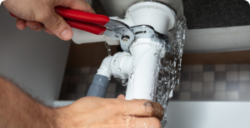
A faucet that drips once per second wastes more than 3,000 gallons of water a year — and that’s the leak you can see. A sneaky drip under the sink that you don’t notice can add up to water damage to cabinets, subfloors, and drywall.
Leaky pipes in Denver homes often develop at joints and fittings where hard water deposits have damaged the seals over time. If those leaks aren’t noticed for months, it can get expensive. Signs of leaky pipes include unexplained spikes in your water bill, damp spots on walls or ceilings, the sound of running water when everything’s off, or musty smells. In cases of widespread pipe corrosion, repiping may be a practical long-term fix.
Low Water Pressure
Low water pressure is a frustrating plumbing issue that Denver residents deal with. This can be caused by Denver’s hard water, which leaves mineral deposits that narrow pipes.
Other causes of low water pressure include corroded pipes, a partially closed shutoff valve, or a failing pressure regulator. If you notice a sudden drop in water pressure, it could be a sign of a leak or a line break.
Water Heater Issues
Water heater problems in Denver are among the most common service calls we handle, and hard water is the main culprit. Sediment builds up on the bottom of the tank, forcing the heater to work harder to heat the same amount of water. The result? Higher energy bills, slower recovery times, and a shortened lifespan. With proper maintenance, most water heaters last eight to 12 years. But without it, that timeframe shrinks.
Watch for these warning signs:
- Rumbling or popping sounds from your tank
- Water that takes longer than usual to heat up
- Rusty-colored or cloudy water from your hot tap
- Visible corrosion around the tank or its connections
Sewer Line Problems
Sewer line problems in Denver often develop slowly. In older Denver neighborhoods, mature tree roots have had decades to grow, and they can infiltrate small cracks in aging clay or cast iron plumbing lines and expand until the line is partially or fully blocked. Once blocked, it can back up.
Frozen and Burst Pipes
Frozen pipes in Colorado are a risk when overnight temperatures get below 20°F. The most vulnerable pipes are in unheated spaces, like garages and crawl spaces, and on exterior walls, because water expands as it freezes, exerting enough force to split copper and PVC pipes.
How to Prevent Common Plumbing Problems
The best way to prevent plumbing problems in Denver is to stay ahead of them before they turn into emergencies.
- Flush your water heater annually: Sediment buildup can cause premature water heater failure in Denver.
- Clean your aerators and showerheads: Unscrew them every few months and soak them in white vinegar to dissolve mineral deposits.
- Insulate exposed pipes before winter: You can buy inexpensive foam pipe insulation at most hardware stores, and it takes less than an hour to install.
- Know where your main shutoff valve is: In a plumbing emergency, the first thing you’ll need to do is shut off the water. If you don’t know where it is, find it today.
- Have your sewer line scoped every few years: A camera inspection can catch problems like tree roots before it’s too late.
- Consider getting a water softener: Given Denver’s hard water, a softener can extend the life of your pipes, water heater, and appliances.
- Prepare if you go away in winter: Keep your heat above 55°F and insulate vulnerable pipes.
In older homes, we recommend a whole-home plumbing checkup every one to two years. For newer construction, every two to three years. In Denver, leaning toward the more frequent schedule in that range is usually the better choice.
Signs You Should Call a Professional Plumber
Many people are comfortable handling some plumbing tasks themselves, such as tackling clogged drains in Denver homes, replacing a faucet cartridge, or tightening a supply line. But for some issues, without the right tools or training, trying to fix something yourself might make a small problem worse. When you face any of these, call a plumber in Denver, Colorado:
- You notice a sudden or unexplained drop in water pressure throughout your house.
- More than one drain is backing up or draining slowly at the same time.
- You notice sewage smells inside or outside your home.
- A water heater is leaking, making noise, or there’s no hot water.
- You see signs of a burst pipe, like damp or wet walls, ceilings, or floors, with no obvious source.
- You notice rust-colored or murky hot water.
When in doubt, call. A diagnostic visit costs much less than repairing water damage.
How Preventative Maintenance Saves You Money
Plumbing repairs can be expensive. A burst pipe can run $500–$1,500 or more, depending on the location and access. Sewer line replacement runs into the thousands. A water heater that fails prematurely means replacing the equipment years earlier than expected.
Neglecting your plumbing goes well beyond a higher water bill. When you put off routine care, you risk water damage, mold growth, structural issues, and contaminated water. You can schedule a whole-home plumbing inspection from Horizon Services the same way you’d book regular oil changes.

Schedule Plumbing Service in Denver Today
Plumbing repair in Denver, CO, doesn’t have to mean scrambling for help in the middle of a crisis. Horizon Services has served Denver and the surrounding communities since 1998, and we’re available seven days a week, with 24/7 emergency service for situations that can’t wait.
Whether you’ve noticed a warning sign, want a whole-home inspection, or haven’t had your water heater serviced in a few years, we’re ready to help. Contact us to schedule a plumbing inspection or service call.