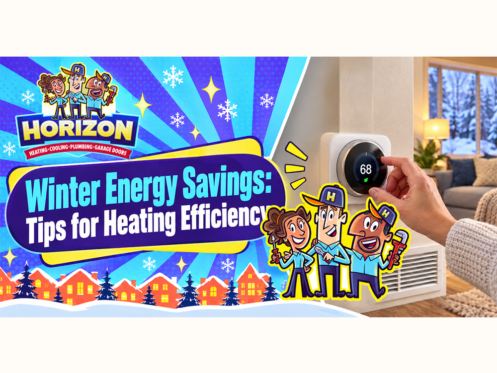
Why Heating Efficiency Matters During Colorado Winters
Colorado furnaces have to keep up with some of the sharpest temperature swings in the country. A mild, sunny afternoon can quickly turn into a single-digit night when an Arctic front slides down the plains. When the weather changes that fast, you need a furnace that can keep up without burning extra fuel.
Gas furnaces also need a proper high-altitude setup to burn cleanly. Our thin, dry air makes 68 degrees feel cooler than it would somewhere more humid. If you have a system that’s dirty or fighting a drafty house, it’ll run longer cycles and burn more gas for the same comfort.
Wondering how to save on heating bills? Below are the best ways to reduce your heating costs in the winter.
1. Adjust Your Thermostat for Better Winter Energy Savings
Keeping your thermostat setting for winter around 68°F while you’re home, then lowering it around 10°F while you’re out is one of the top HVAC energy-saving tips. Heading up I-70 for a ski weekend? Turn your thermostat down further while you’re gone, but keep it at 55°F or above so pipes along exterior walls don’t freeze.
2. Replace Dirty Furnace Filters Regularly
Changing your furnace filter every one to three months keeps air moving freely, so the blower doesn’t run longer than it needs to. A clogged filter makes the system work harder and leaves rooms that never quite warm up. Summer wildfire smoke and fall dust clog Front Range filters faster than in other parts of the country, so check your filters monthly and replace them as soon as they’re full.
3. Schedule Professional Furnace Maintenance
An annual furnace tune-up keeps your system burning efficiently and catches small problems before they turn into higher Xcel bills. During a winter HVAC maintenance visit, our technicians inspect major components, test the safety controls, check gas pressure, and confirm the furnace is set up for our elevation. Routine heating maintenance in Colorado also keeps your warranty coverage intact, so you won’t have to pay for furnace or boiler repairs out of pocket.
4. Seal Drafts Around Windows and Doors
Sealing gaps around windows and doors with weatherstripping and caulk keeps warm air in and cold air out. Run your hand along the window frame and under the exterior door to find leaks you can seal yourself. If drafts keep coming back or you can’t find the source, a professional can locate and seal gaps that are harder to spot.
5. Improve Insulation to Reduce Heat Loss
Adding attic insulation keeps the heat your furnace produces in the house instead of letting it escape through the roof. Many older homes have much less attic insulation than today’s homes, or bonus rooms over unheated garages that run colder than the rest of the house. Pairing new insulation with sealing around lights and wiring holes keeps your home warmer and uses less energy.
6. Keep Heating Vents and Air Returns Clear
Couches, area rugs, and decorations can cover vents or block supply registers and force the blower to work harder. Keeping supply vents and air returns clear lets your furnace move air the way it was designed to, so rooms heat evenly without longer run times.
7. Use a Programmable or Smart Thermostat
A programmable or smart thermostat lowers temperatures automatically while you’re at work or sleeping to improve winter heating efficiency. It tracks your daily routine to cut back on heat when no one needs it, so you don’t pay to warm empty rooms.
8. Take Advantage of Natural Sunlight
Opening south-facing blinds on sunny days brings free heat into your home and gives your furnace a break. Even though outdoor temperatures are cold, the winter sun at our elevation can still carry real warmth. Just close the blinds at sunset to keep that heat inside.
9. Address Heating Problems Before They Waste Energy
A struggling furnace burns extra gas or electricity every day it runs, so try to catch heating problems early. If your system is short cycling, running nonstop, or your Xcel bills are climbing, contact our Denver technicians to find the cause before it costs you more.
10. Know When an Energy-Efficient Heating Upgrade Makes Sense
An energy-efficiency upgrade usually makes sense when your furnace is over 15 years old and needs a repair every winter. Many older furnaces turn about 80% of fuel into heat, compared to 95% or more for newer high-efficiency models. Upgrading to an energy-efficient furnace means more of what you pay for goes toward actually heating your home.

How Much Can Better Heating Efficiency Save?
Furnace efficiency tips like a thermostat schedule can cut up to 10% of your yearly heating costs, and sealing, insulation, and routine maintenance can push your savings even higher. Replacing an aging furnace also lowers gas use, especially if your system is over 15 years old. Having a technician evaluate your house and heating system together can show you where your money is going.
When Should You Schedule a Professional Heating Service?
Scheduling a routine heating tune-up in early fall gets your furnace ready before the first cold snap fills our calendars. Also watch for these warning signs your heating system needs repair:
- Rooms that never get warm.
- A yellow or flickering burner flame.
- New banging, rattling, or squealing from the furnace.
- Heating bills climbing faster than normal.
Improve Your Home’s Heating Efficiency With Horizon Services
At Horizon Services, we’ve helped Front Range homeowners lower winter energy bills with furnace tune-ups, repairs, and upgrades, and energy-efficient heating tips since 1998. Schedule a tune-up today or ask about our Peak Advantage Membership, and we’ll help you get through the rest of winter with a system that runs the way it should.