Freezing nighttime temperatures, heavy snowfall, and long periods of frigid weather can lead to frozen pipes for many Colorado homeowners. Fortunately, there are some things you can do to help prevent frozen pipes ahead of the winter season. The experienced team at Horizon Services Heating, Cooling, Plumbing, & Garage Doors has some helpful tips and actionable steps that Colorado homeowners can take to prepare their plumbing before the cold temperatures arrive.
Why Colorado Homes Need Winter Plumbing Preparation
Whether you live in Englewood or anywhere in the Denver Metro area, there are several reasons to winterize your plumbing in Colorado. Temperatures in the mountains and plains drop quickly and often reach at or below freezing before many homeowners have a chance to check items off their winter plumbing checklist.
Most pipes near a home’s exterior walls, close to drafty vents, or in unheated basements or crawl spaces usually freeze first, and they’re much less noticeable than if an interior pipe were to freeze or burst when you’re home. As frozen water expands inside your pipes, it creates strong, constant pressure that can crack metal or plastic.
Without the proper pre-winter preparation, you could end up paying for costly emergency plumbing services or dealing with major leaks that cause extensive water damage to your property.
Which Pipes Are Most at Risk of Freezing?
When you return from an exciting day at the Denver Art Museum, the last thing you want to face is a frozen pipe. The pipes and plumbing components at the highest risk of freezing include:
- Shallow sprinkler and pool lines without proper insulation.
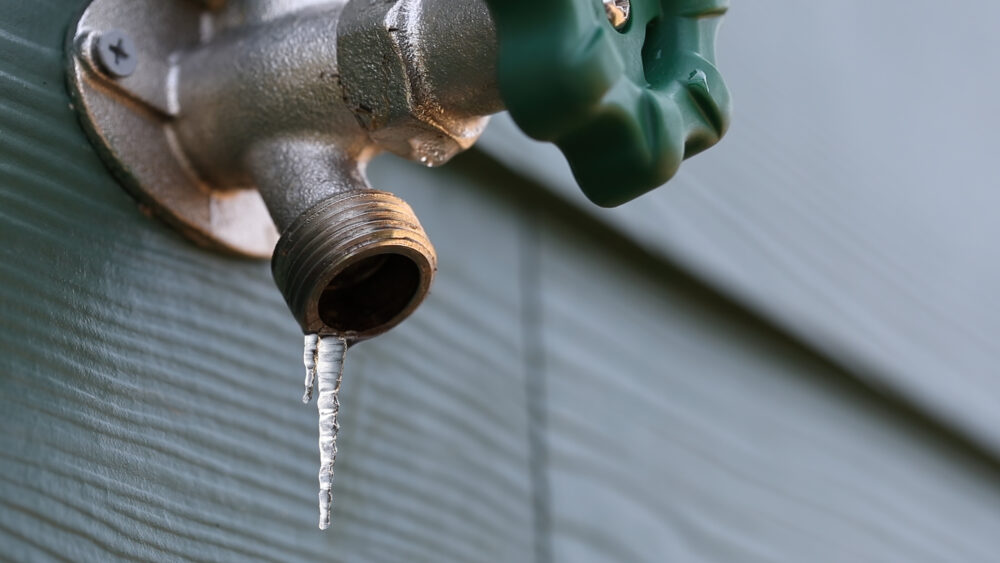
- Exterior hose bibs, spigots, and garden hoses still connected to exterior pipes.
- Pipes in basements and crawl spaces without adequate insulation.
- Utility lines in garages and upper-level pipes in attics.
- Specific pipes built against outer walls, and pipes under kitchen and bathroom cabinets that are installed against outer walls.
How To Prevent Frozen Pipes Before Temperatures Drop
Pipes can freeze at 32°F and are at serious risk of freezing whenever the outdoor temperatures plummet to around 20°F. We recommend outdoor plumbing winterization to help prevent emergencies. Here’s how to prevent frozen pipes before the Colorado temperatures drop:
- Protect pipes from freezing by placing insulated foam covers over hose bibs and disconnecting garden hoses.
- Drain any remaining water from outdoor faucets, and turn off all shut-off valves for exterior spigots.
- Use pipe insulation sleeves to protect pipes and water softener control valves in unheated areas.
- Seal any drafts, gaps, or cracks near your foundation, doors, and windows with caulk or weatherstripping.
- Keep some interior doors open to encourage more heat circulation throughout your home.
- Leave faucets dripping during frozen weather to help prevent burst or frozen pipes in Colorado.
What To Do During a Colorado Cold Snap
While proactive winter plumbing maintenance can help protect your plumbing, there are other steps you can take to prevent frozen pipes during a frigid Colorado cold snap.
During hard freezes, run faucets connected to vulnerable pipes at a slow trickle, and keep your thermostat set to a steady, warm indoor temperature day and night. Open the cabinet doors under your bathroom and kitchen sinks to help warm air reach the pipes near exterior walls.
Warning Signs Your Pipes May Already Be Frozen
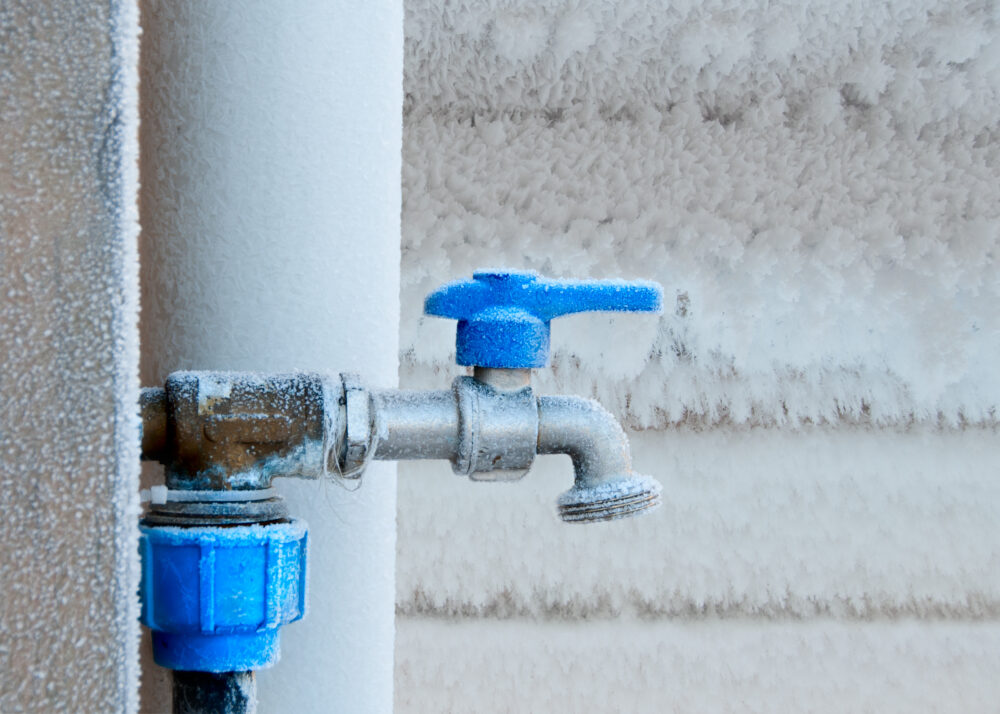
Even if you know how to keep pipes from freezing, they may still freeze under certain conditions. Look for warning signs that may indicate your pipes are already frozen, including:
- Little to no water coming out when you turn on the tap.
- Visible ice or frost on exposed pipes in your basement, crawl space, or garage.
- Unusual clanking, whistling, or bubbling sounds when you flush or run any water.
- A strong odor of sewer gases emanates from interior drains.
- Visible swelling, warping, or tiny cracks on metal or plastic pipes.
What Should You Do If a Pipe Freezes?
Even after following these burst pipe prevention tips, it’s important to know what to do if your pipes still happen to freeze. Shut your home’s main water valve off immediately to prevent flooding and leave any affected taps open to melt remaining water. You can try to thaw the pipe slowly using warm towels, a hair dryer, or an electric heating pad on low heat. If the pipe bursts or the leak is extreme, contact Horizon Services for frozen pipe repair.
Why Frozen Pipes Can Turn Into Burst Pipes
Not every frozen pipe will burst, but it’s still a common occurrence for many Colorado homeowners. Water expands by nearly 10% when it freezes into ice, creating a plug inside the pipe. As the freezing continues, pressure starts building between the ice blockage and a closed faucet, leading to a ruptured pipe.
When water freezes, it takes up a lot more space than liquid water. A massive amount of internal pressure builds as the ice continues forming, eventually overwhelming pipe walls. Many pipes burst after they thaw, as areas near joints and connections become weakened where the pressure accumulates, causing them to rupture.
Should You Winterize Outdoor Plumbing?
Yes, you should protect your outdoor plumbing by winterizing it ahead of freezing temperatures. If water freezes inside your exterior pipes and hoses, they can easily crack or burst, resulting in major water damage. In many cases, the damage isn’t obvious until the ice thaws, leaving you to clean up the mess. Preparing for Colorado’s extremely cold winter in advance is the best way to protect the outdoor plumbing and your home.
When To Schedule a Professional Winter Plumbing Inspection
Colorado homeowners should schedule a professional winter plumbing inspection in early to mid-fall, from September through October. Getting an inspection before the first hard freeze helps identify potential weak areas and gives you ample time to protect and insulate your pipes, disconnect outdoor hose bibs, and flush your water heater. Routine winter plumbing inspections are a smart way to help protect your plumbing before the freezing temperatures set in.
Prepare Your Plumbing for Winter With Horizon Services
Horizon Services is the trusted resource for preventative home services during Colorado’s winter season. Contact us today to schedule your pre-winter plumbing inspection or another service.